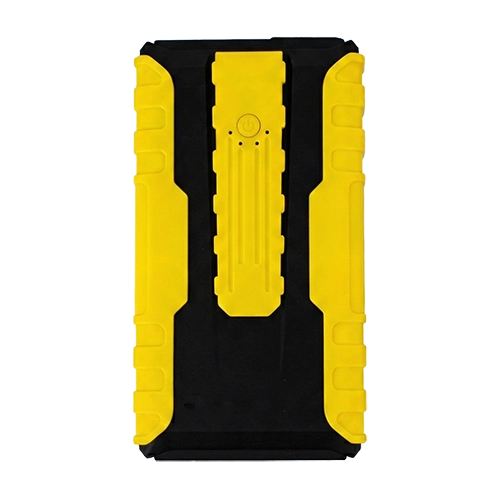
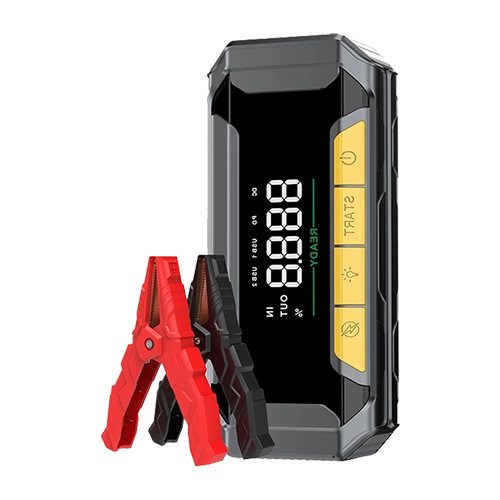
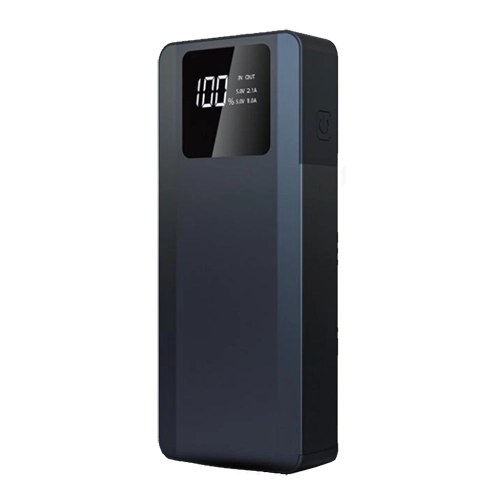
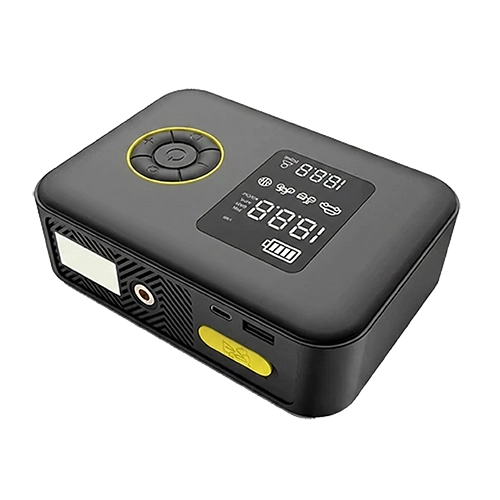
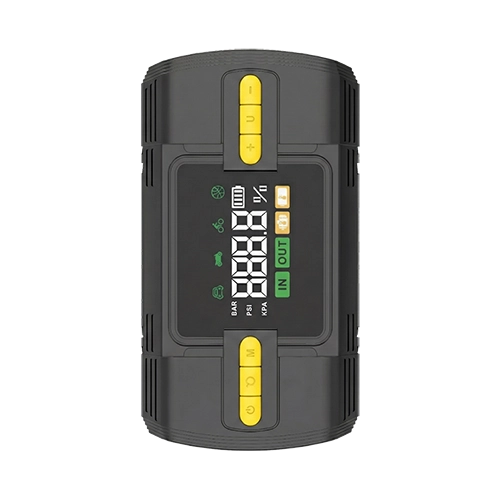
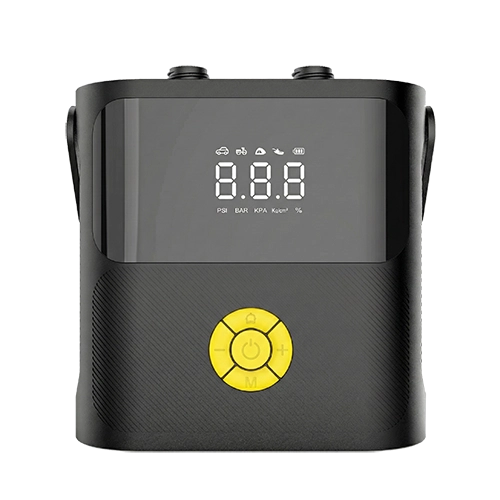
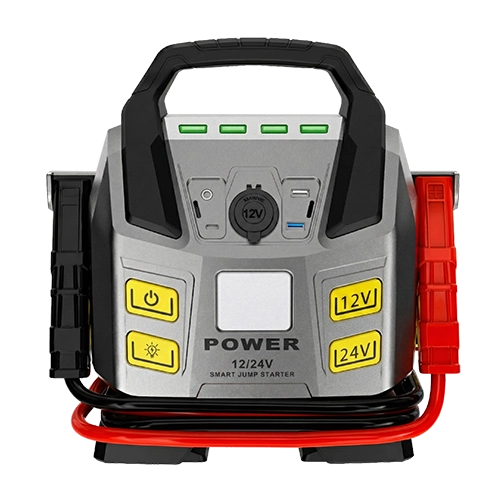
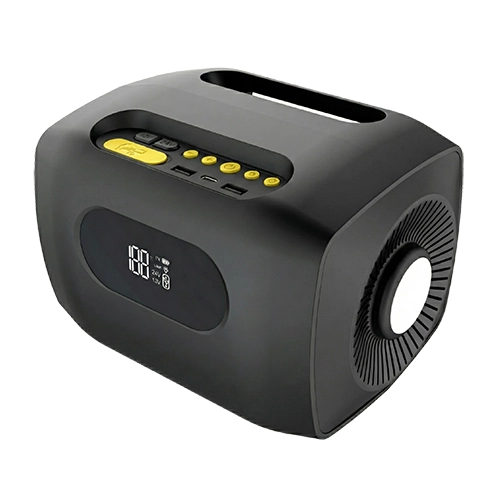
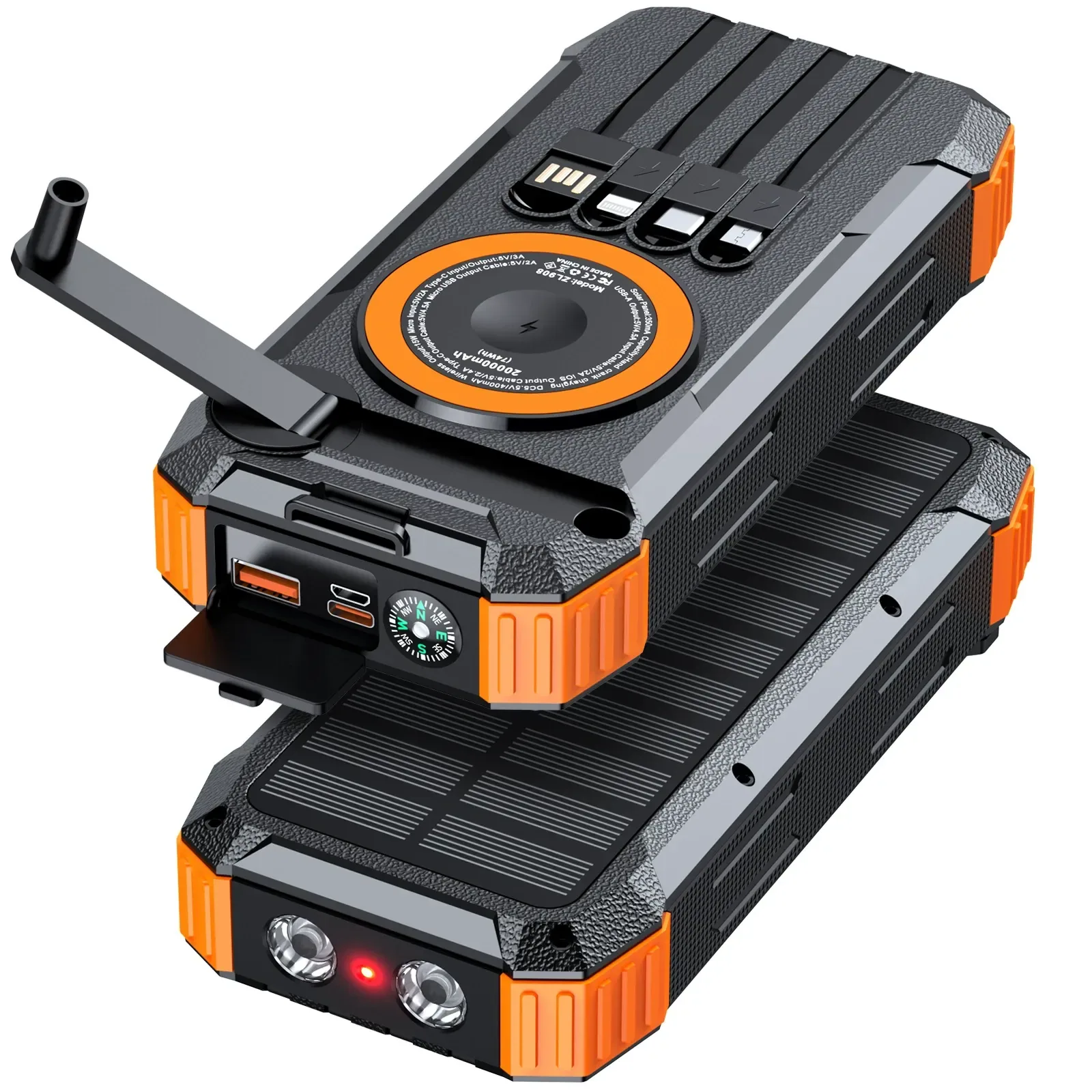
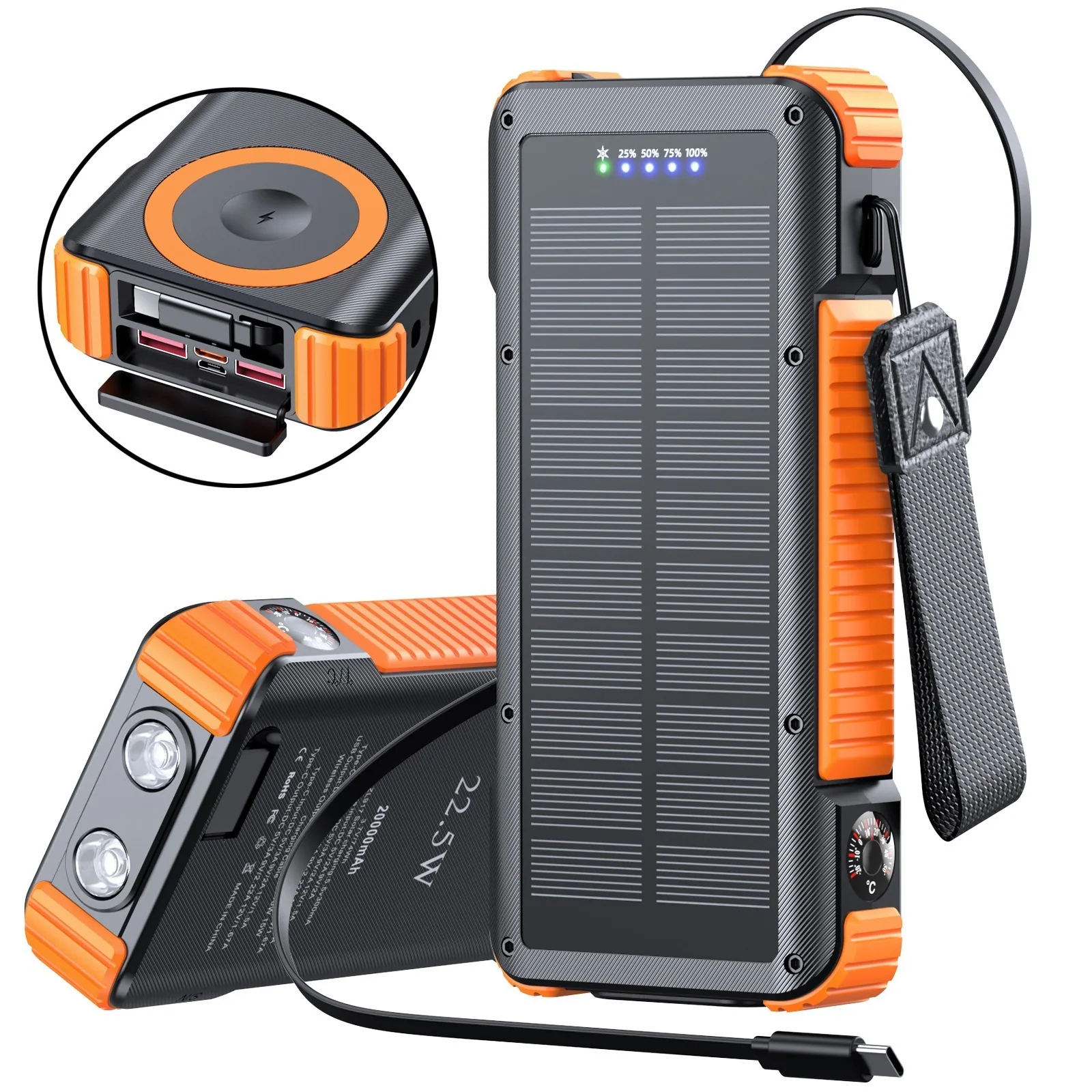
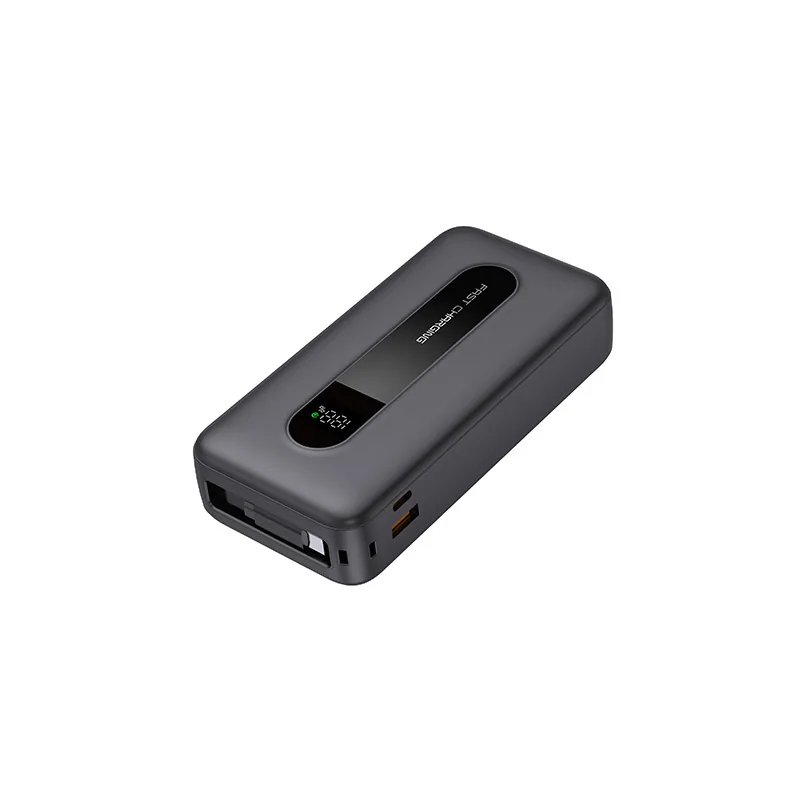
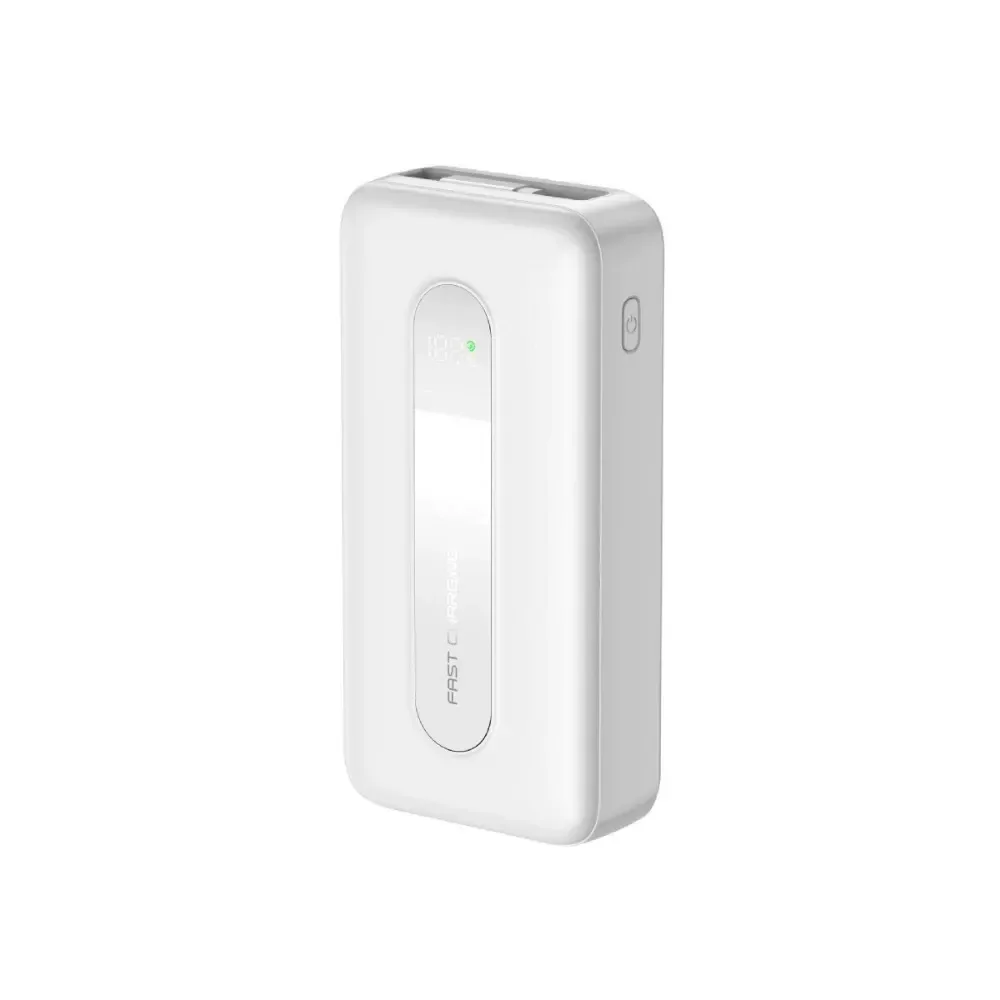
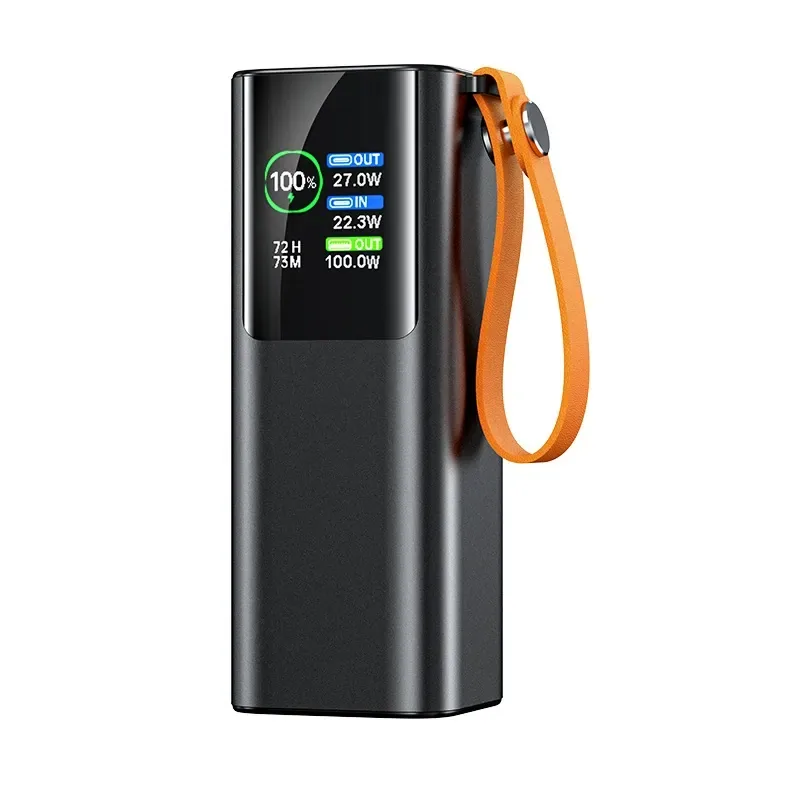
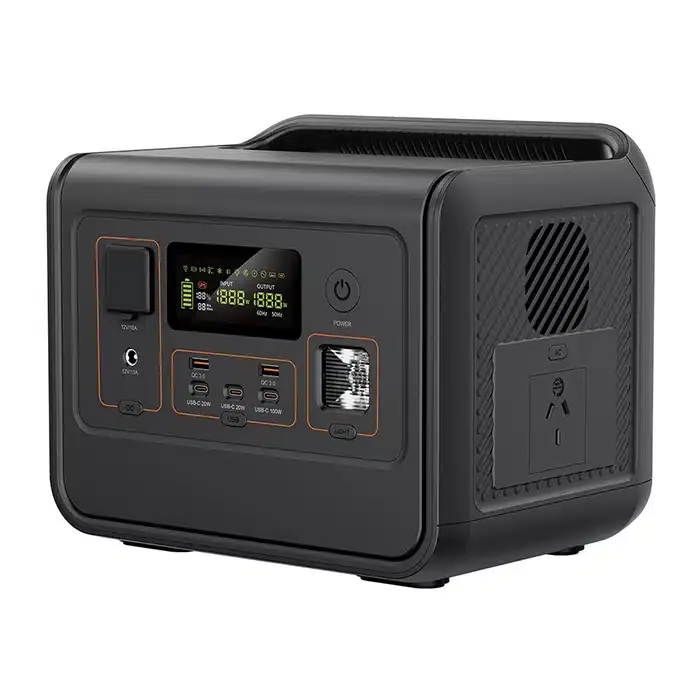
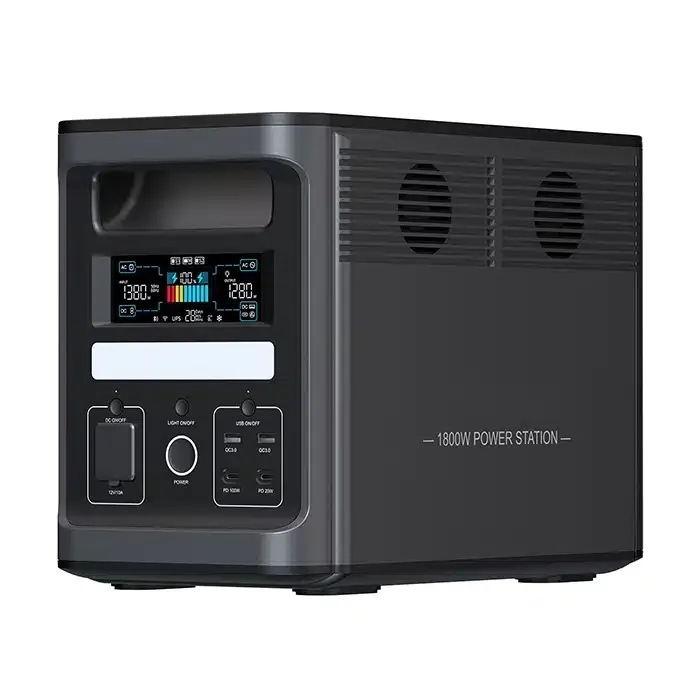
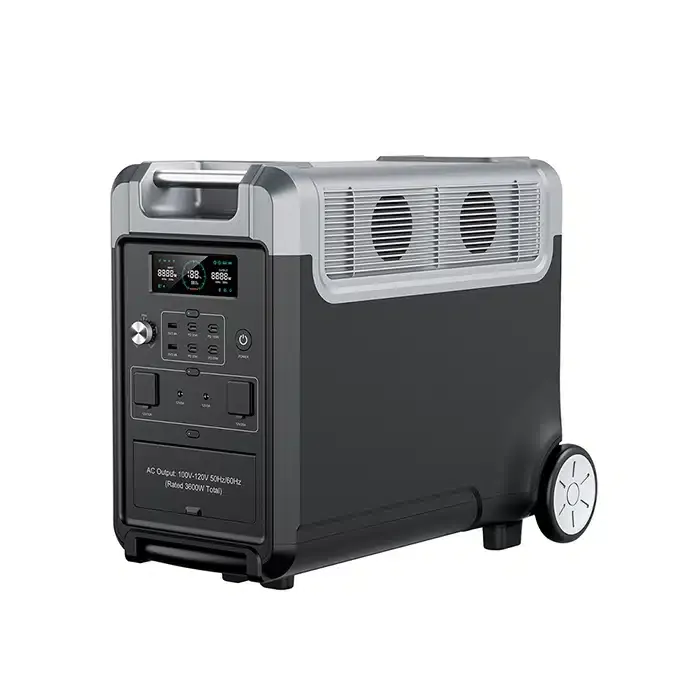
Portable power station buyers often compare LiFePO4 and NCM lithium battery platforms. LiFePO4 is popular for stationary backup and long cycle life, while NCM remains attractive where weight, compact size, and outdoor mobility are the main selling points.
For importers and private-label brands, the right choice depends on the target customer. Camping, mobile work, drone charging, outdoor photography, and short-trip backup use cases often reward lighter products that customers can carry with one hand.
The one-hand carry advantage
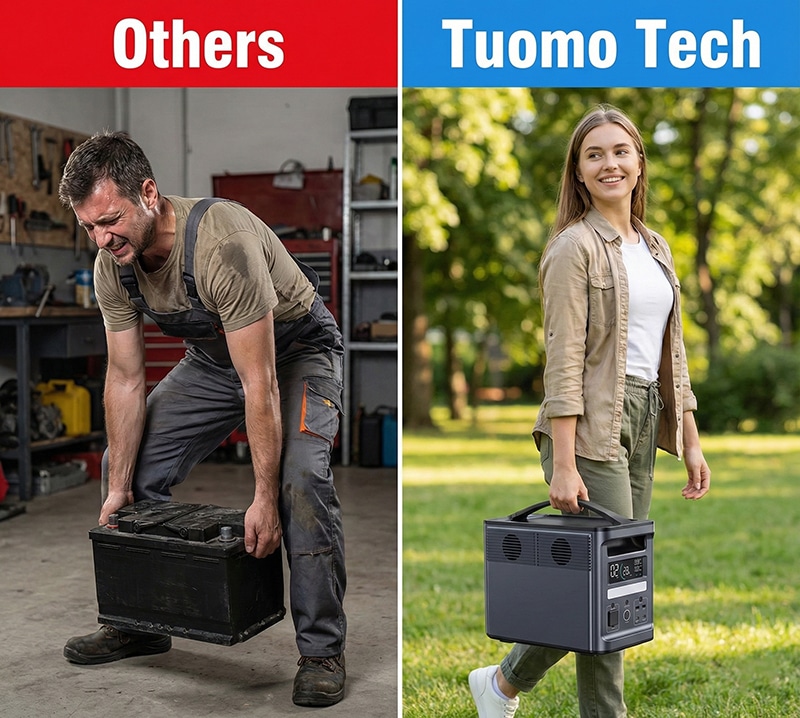
NCM batteries offer high energy density, allowing manufacturers to build lighter power stations at similar capacity levels. For end users, this can be the difference between a product that feels truly portable and one that is only movable.
A lighter product is easier to place in a car, carry to a campsite, move around a worksite, or take on outdoor photography trips. That directly affects customer satisfaction and repeat purchase potential.
- Stronger portability story for outdoor and mobile users
- Easier handling for retail demos, shipping, and unboxing
- Better fit for compact product lines and travel-focused bundles
Compact size helps control logistics cost
For importers, shipping cost is shaped by both real weight and volume weight. Bulky power stations can reduce carton efficiency, raise freight cost, and make warehousing less efficient.
A compact NCM design helps optimize product dimensions, master carton planning, pallet loading, and marketplace fulfillment. These operational details can affect margin as much as the factory unit price.
- Lower volume weight for international shipping
- More efficient carton and pallet utilization
- Cleaner retail shelf and online listing presentation
Cold-weather performance supports outdoor use
Outdoor power station buyers may use products during winter camping, emergency backup, vehicle travel, or off-grid work. Battery chemistry and BMS design both influence how the unit behaves in low temperatures.
NCM lithium-ion models can be attractive for portable applications where users need stable output in colder environments. Buyers should still verify actual operating temperature specifications and test data from the manufacturer.
- Ask for operating and storage temperature ranges
- Check discharge behavior and charging limits in cold conditions
- Use clear manual language to prevent misuse below rated temperatures
Safety depends on the complete system
Battery chemistry is only one part of safety. A responsible portable power station manufacturer must design a reliable BMS, proper thermal layout, quality connectors, stable inverter output, and strong enclosure structure.
For B2B projects, safety should be verified through documentation, internal tests, and sample evaluation. Importers should not rely only on marketing claims about chemistry or cycle life.
- BMS protection for over-charge, over-discharge, over-current, and temperature
- Quality inverter design for stable AC output
- Export documents such as UN38.3, MSDS, CE, FCC, and RoHS where applicable
Best-fit applications for lightweight NCM power stations
Lightweight NCM power stations are strongest when the customer values mobility: camping, road trips, drone charging, outdoor filming, market stalls, emergency lighting, and short-duration backup.
For stationary home backup, a heavier LiFePO4 unit may be a better fit. For portable energy, NCM can help brands offer a more convenient product at a size and weight customers actually want to carry.
- Outdoor recreation and camping kits
- Mobile photography, drone charging, and field work
- Retail-friendly compact power stations for general consumers
Choose a manufacturer that matches your channel
A good manufacturer should help you select battery chemistry, capacity, inverter output, charging method, ports, accessories, and packaging based on your sales market. The best model for an outdoor retailer may not be the same as the best model for a home backup distributor.
Tuomo Tech can support B2B buyers with lightweight portable power station selection, OEM branding, packaging, manuals, certification documents, and export-ready order planning.
Related Product Paths
Match this guide to real sourcing pages
Buyer FAQ
Questions importers usually ask before ordering
Is NCM or LiFePO4 better for a portable power station product line?
NCM is usually stronger when portability, compact size, and lower weight are the priority. LiFePO4 is often preferred for long cycle life and stationary backup. The best choice depends on target channel, product size, and usage scenario.
What should buyers check before ordering lightweight power stations?
Check battery chemistry, BMS design, inverter output, charging speed, port layout, operating temperature, enclosure quality, certification support, and actual weight against the advertised capacity.
Can portable power stations be sold with solar panels as a bundle?
Yes. Buyers should confirm solar input voltage, connector type, maximum input wattage, charging time, packaging plan, and user manual language before bundling solar panels with power stations.
Which export documents are important for portable power stations?
Lithium power station orders commonly need UN38.3, MSDS, CE, FCC, RoHS, and market-specific documents. Requirements vary by destination country, sales channel, and shipping method.
Build a portable power station line for your market
Tell us your target capacity, price point, application, and order plan. Tuomo Tech can recommend lightweight NCM models and OEM options.