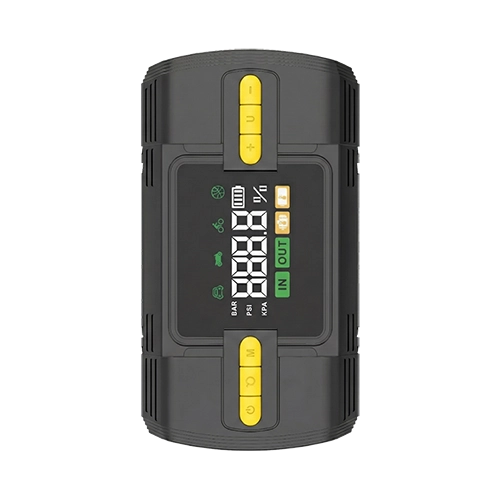
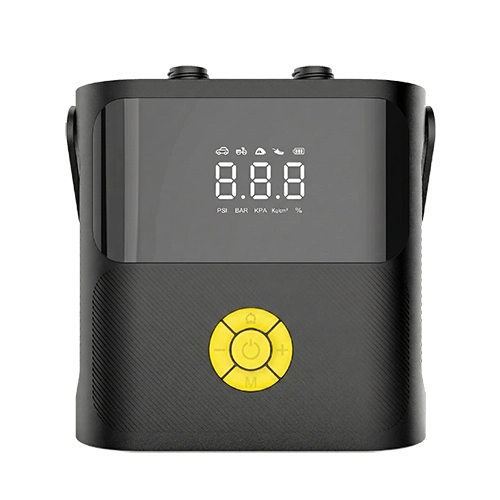
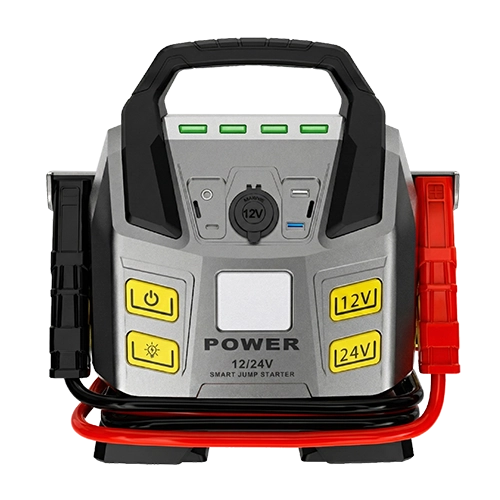
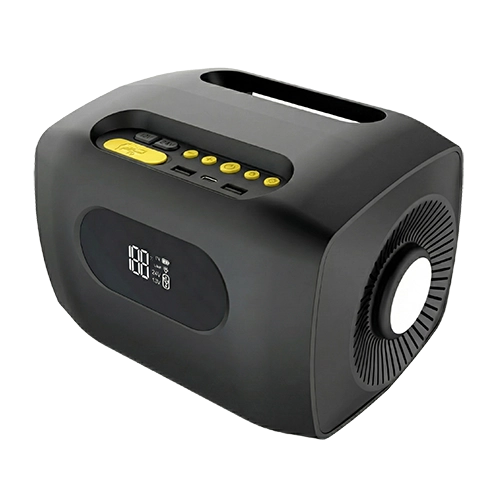
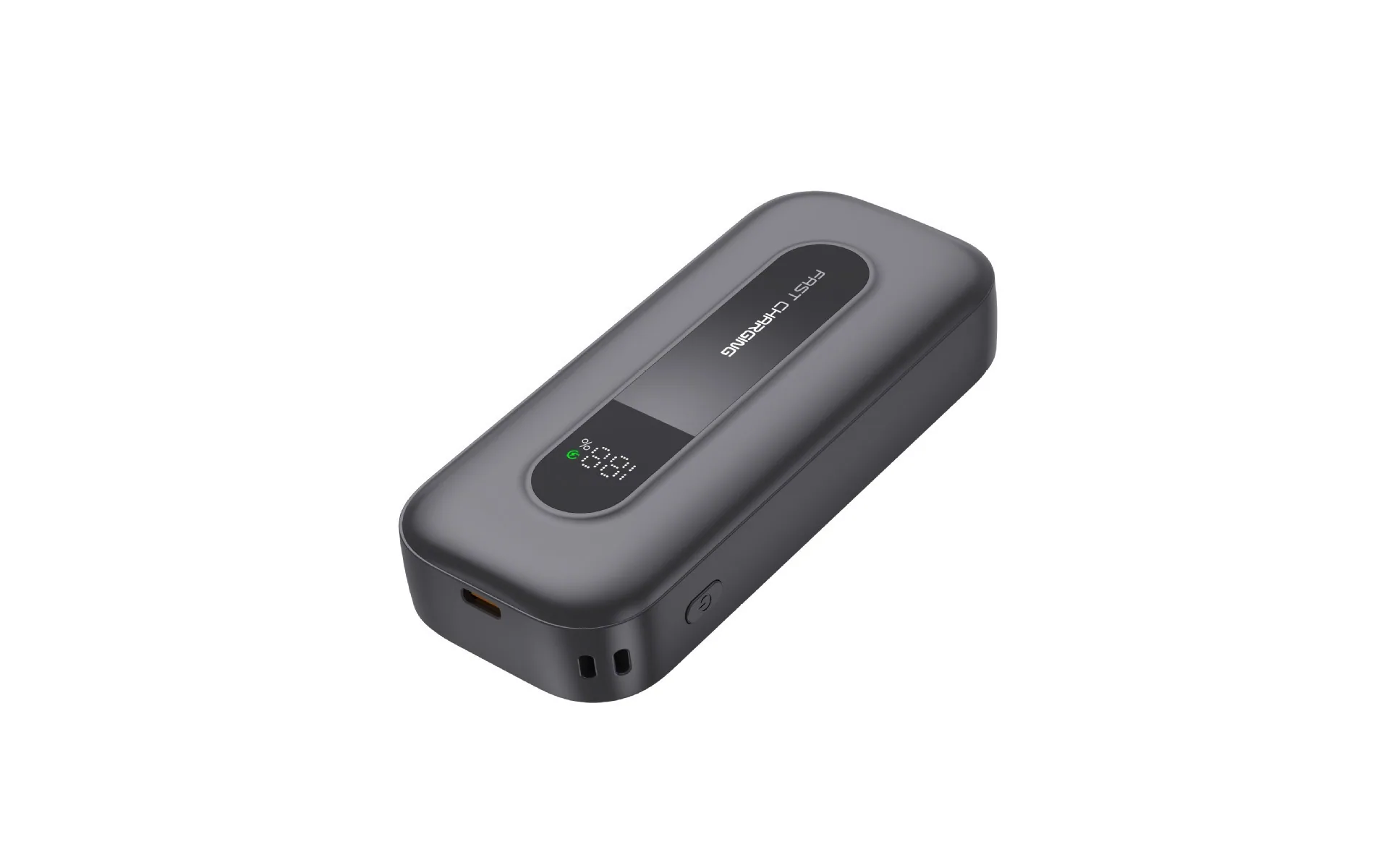
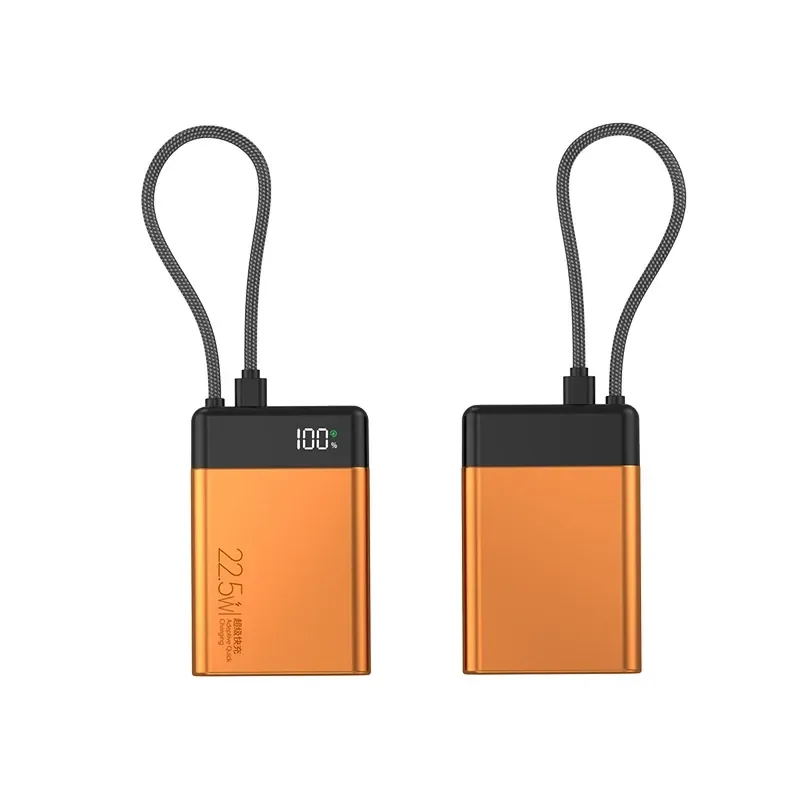
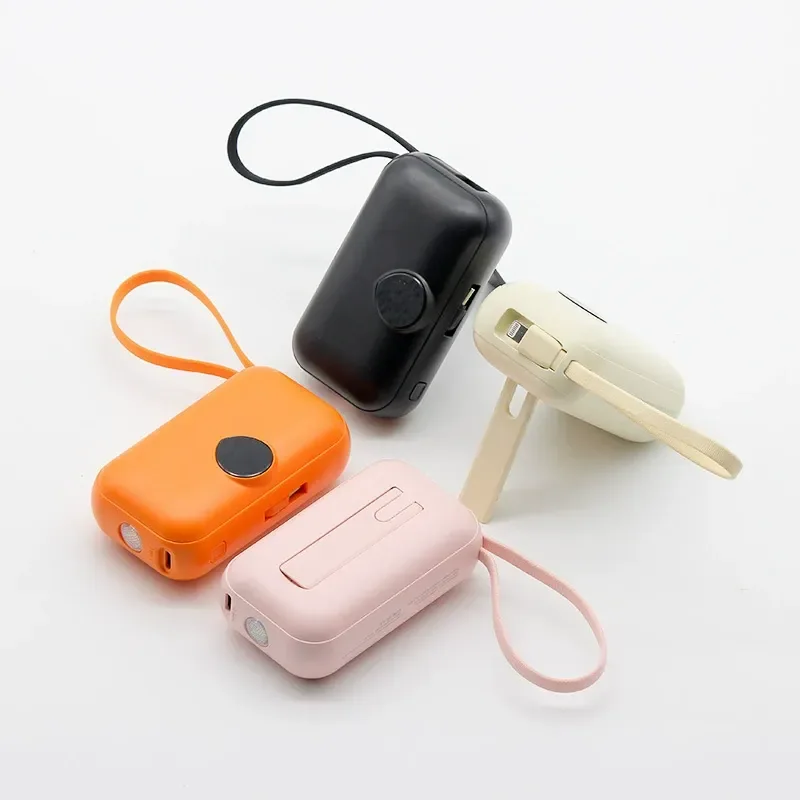
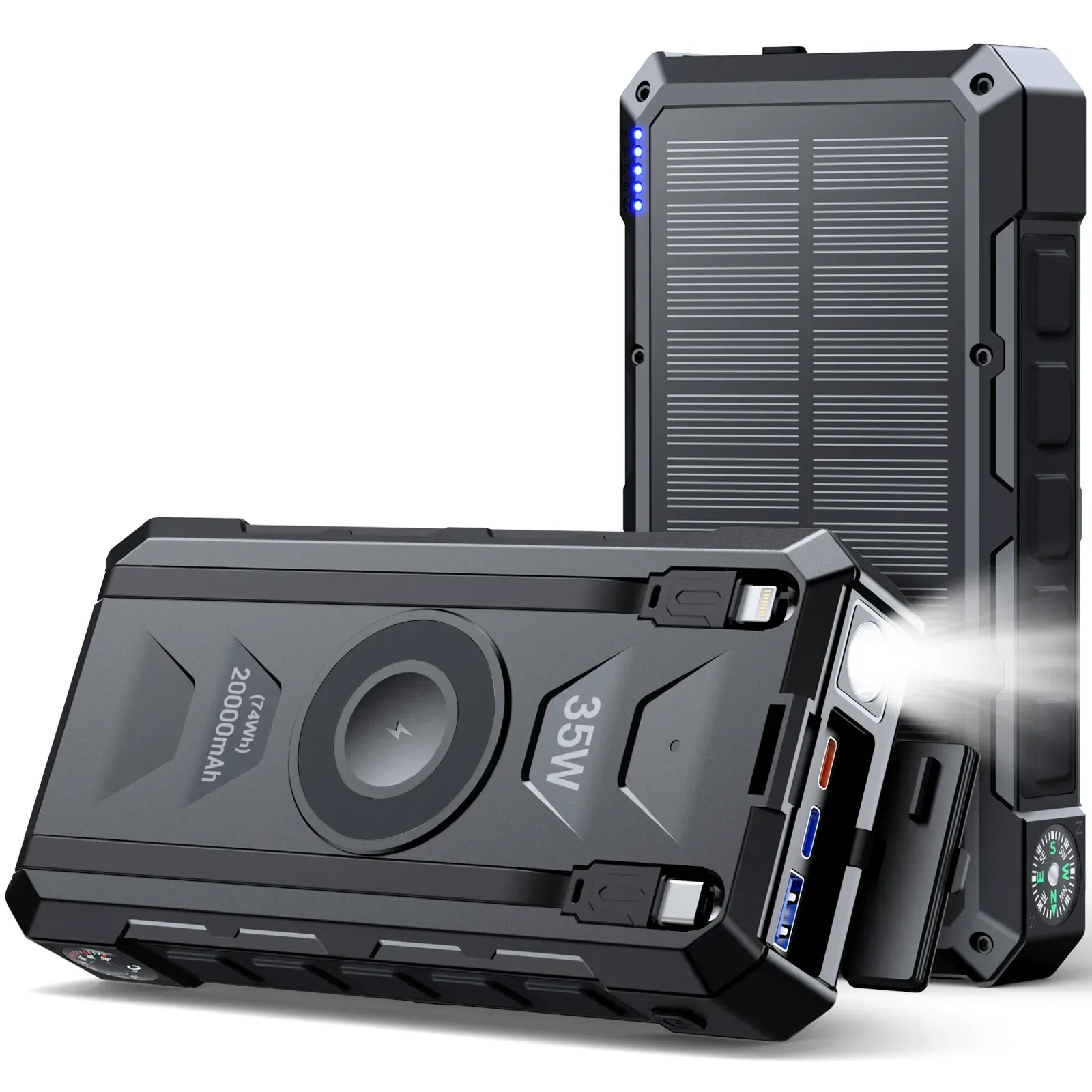
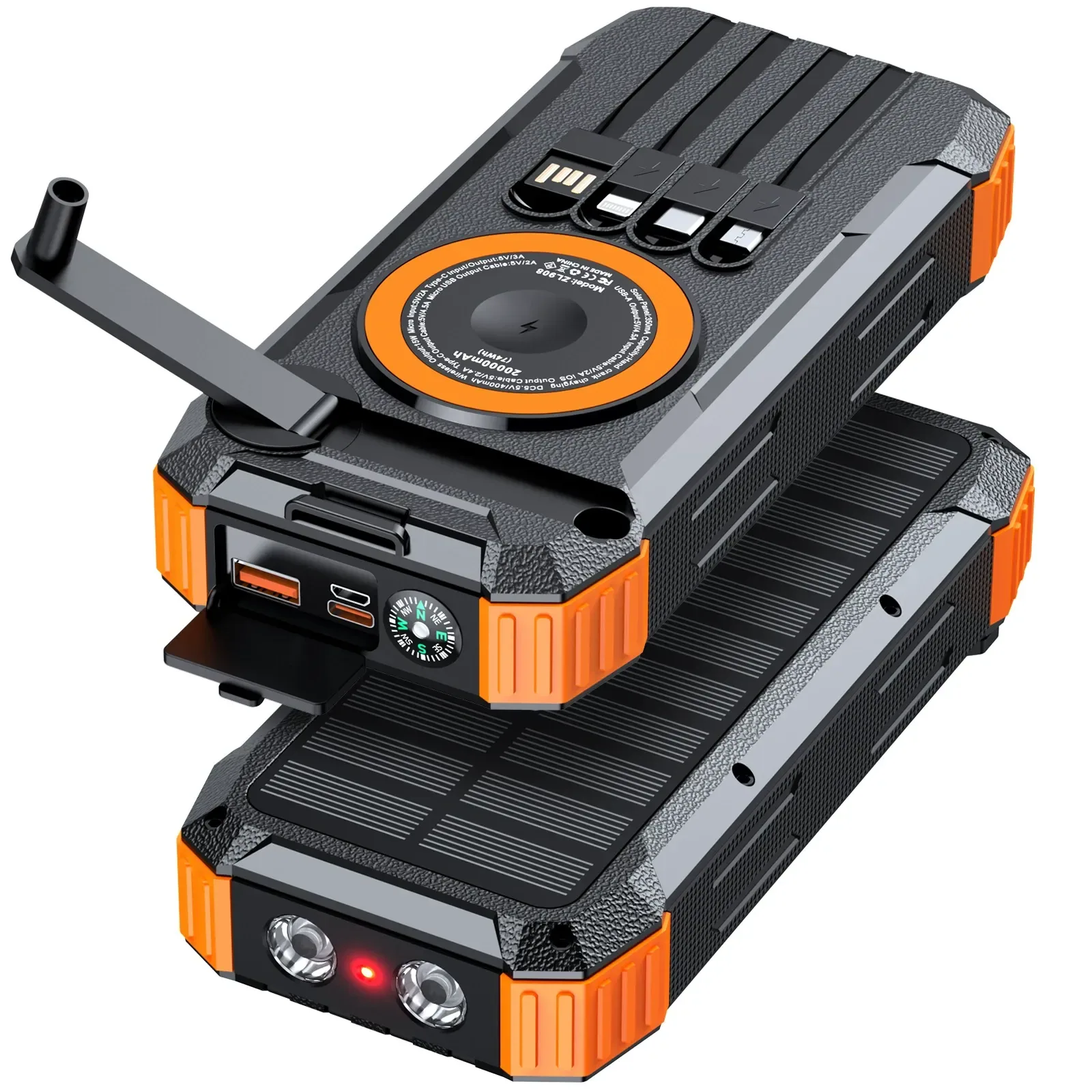
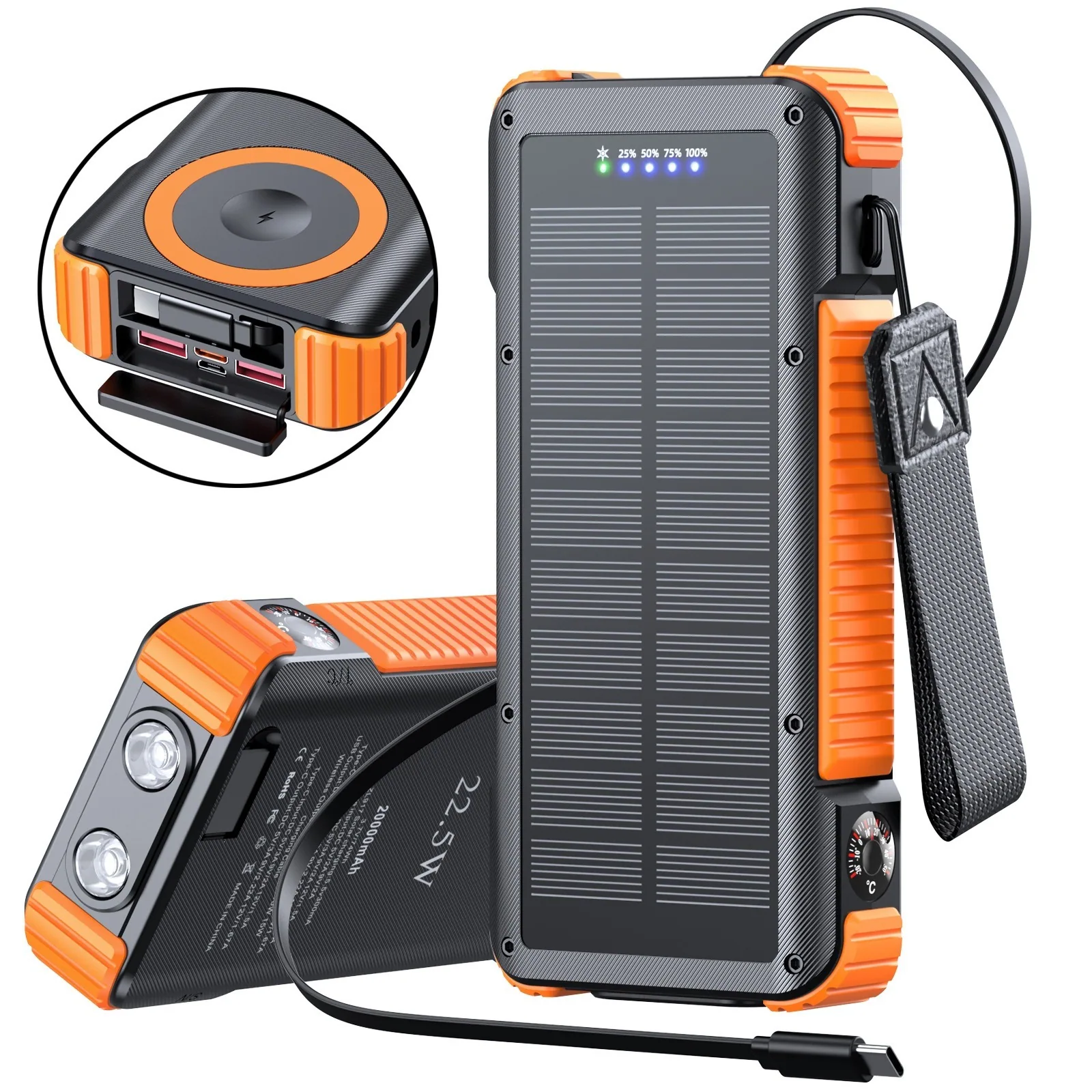
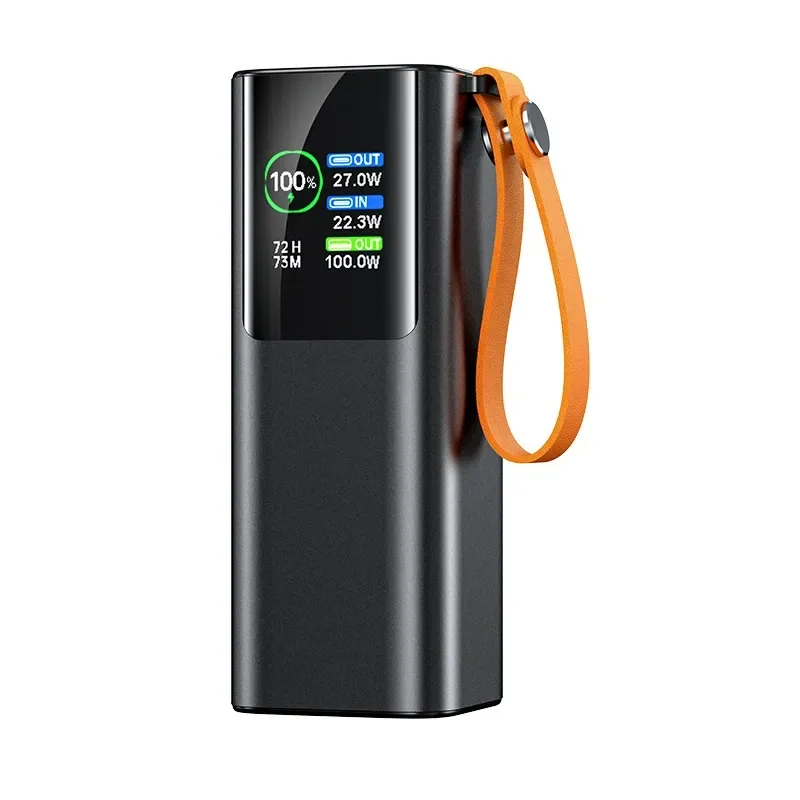

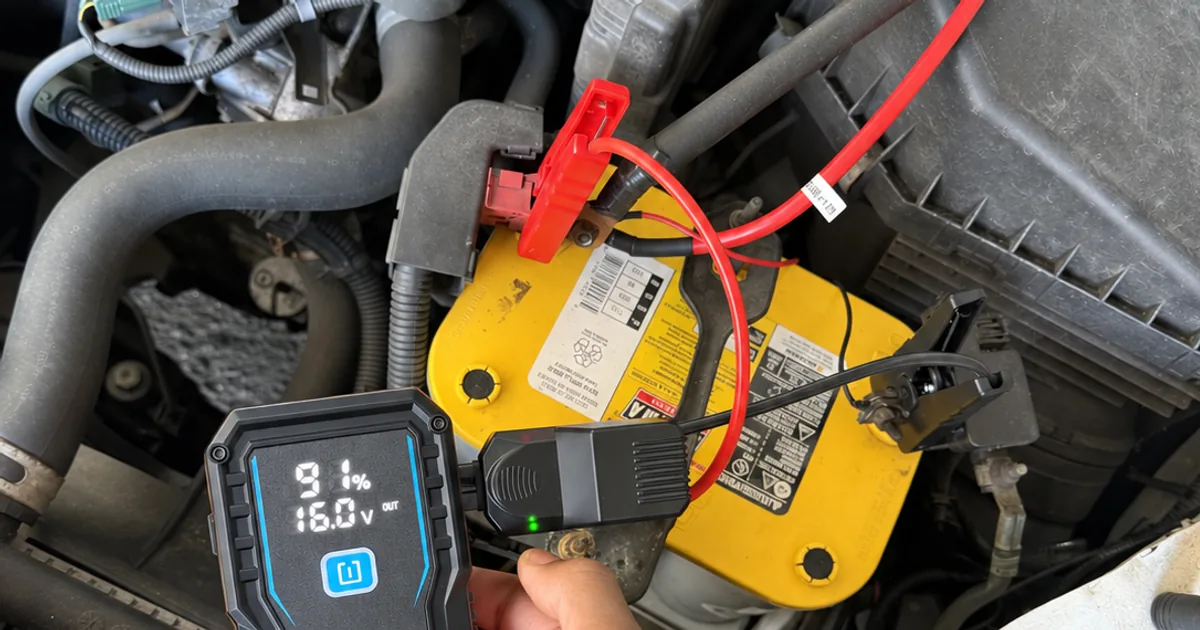
The EU Battery Regulation ( Regulation (EU) 2023/1542 ) introduces requirements for the removability and replaceability of portable batteries. As the application date of Article 11 approaches, manufacturers, importers and brand owners are asking an important question: does the battery inside a portable car jump starter need to be removable and replaceable by the end-user?
The answer depends on how the product is classified.
A key clarification appears in the European Commission's Commission Notice C/2026/5531 , published on 22 October 2026. In its general considerations, the Commission explains that where a product's primary function is to deliver electrical energy to other products, the product itself may be considered a portable battery. The examples expressly include vehicle battery jump starters. In such a case, Article 11 would not apply to the product in the first place.
This is an important distinction, but it should not be interpreted as a blanket exemption for every product described as a car jump starter. The product's primary function and actual design remain central to the classification.
1. What does Article 11 require?
Article 11 of Regulation (EU) 2023/1542 concerns the removability and replaceability of portable batteries and light means of transport (LMT) batteries.
Under Article 11(1), a person placing on the EU market a product that incorporates a portable battery must ensure that the battery is readily removable and replaceable by the end-user at any time during the product's lifetime.
The provision applies to the complete battery, not to individual cells or other parts within the battery.
The Regulation also explains what “readily removable” means. In general, the battery must be removable using commercially available tools, without requiring specialised tools (unless those tools are supplied free of charge with the product), proprietary tools, thermal energy or solvents to disassemble the product.
Products within the scope of Article 11(1) must also be accompanied by instructions and safety information covering the use, removal and replacement of the battery. This information must remain permanently available online through a publicly accessible website in a form that end-users can easily understand.
Article 11 is scheduled to apply from 18 February 2027.
However, these requirements concern products that incorporate portable batteries. Before applying them to a particular product, it is necessary to determine whether the product is an appliance containing a portable battery or whether the product itself should be considered a portable battery.
2. A product containing a battery — or a portable battery itself?
This is the central issue for portable car jump starters.
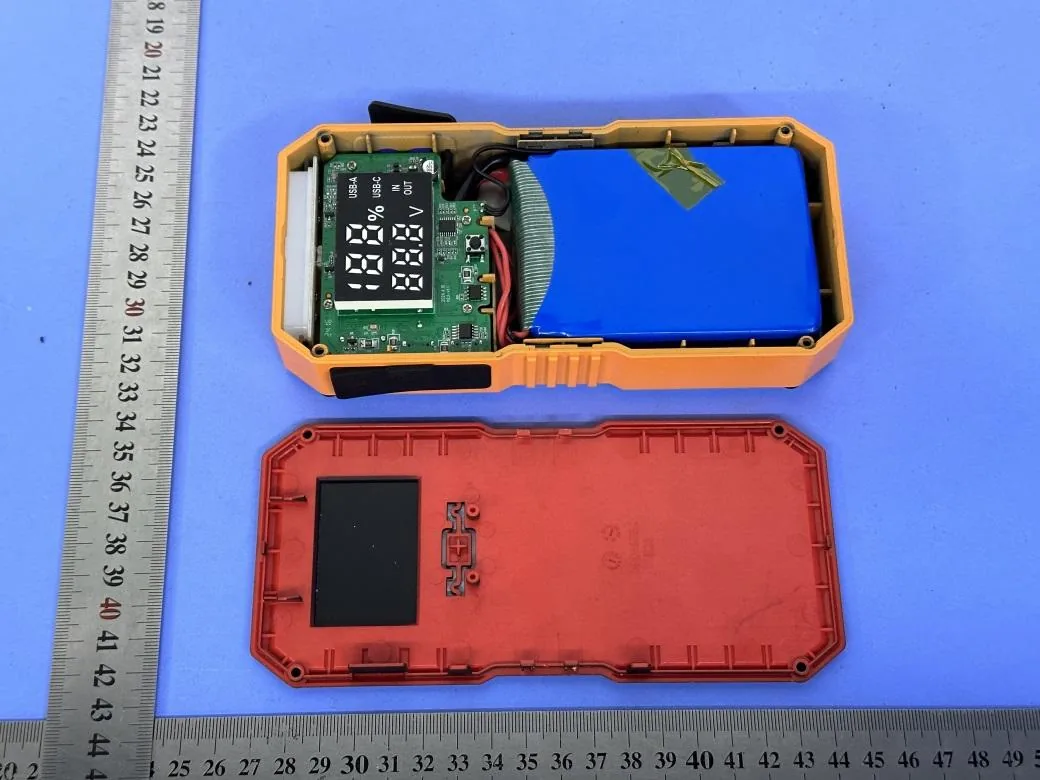
Many electronic products contain batteries but are not themselves batteries. For example, a battery-powered appliance uses its internal battery to operate the appliance's primary function.
A portable jump starter has a different operating purpose. Its main purpose is to store electrical energy and deliver that energy to another product — the vehicle's battery — to help start the vehicle.
Section 2 of Commission Notice C/2026/5531 addresses this distinction directly. It states that, in certain cases where a product's primary function is to deliver electrical energy to other products, the product itself can be considered a portable battery. The Commission gives rechargeable power banks, charging cases and vehicle battery jump starters as examples.
The Notice then explains that, in such cases, Article 11 would not be applicable in the first place.
For a portable car jump starter whose primary function is to supply electrical energy to a vehicle battery, this guidance is therefore highly relevant. The product may be classified as a portable battery in its own right, rather than as a separate appliance incorporating a portable battery.
This is not a special exemption created specifically for jump starters. It is a classification distinction: Article 11(1) addresses products that incorporate portable batteries, while the Commission explains that some energy-delivery products may themselves constitute portable batteries.
3. Why the product's primary function matters
The Commission's wording focuses on the product's primary function. This means that the product name alone is not enough to determine how Article 11 should be considered.
A product may include additional features such as USB charging outputs, an LED light, an air compressor or other functions. The existence of these additional features does not, by itself, settle the classification.
A careful assessment should consider the product as a whole, including its intended purpose, design, technical characteristics and how its main function is presented to users.
For example, a product designed primarily to deliver stored electrical energy to a vehicle battery for emergency starting may fit the example given in the Commission Notice. By contrast, a different product that mainly performs another function and merely contains a battery may need to be assessed differently.
The Commission Notice provides interpretive guidance and examples; it does not establish a universal, detailed checklist for every possible jump starter design. Its examples are non-exhaustive, and the Notice itself is not legally binding.
For that reason, manufacturers and importers should avoid assuming that every product marketed as a “jump starter” automatically falls outside Article 11. The classification should be supported by the facts and design of the specific product model.
4. What should manufacturers and importers prepare?
For businesses placing portable jump starters on the EU market, it is sensible to document the product-classification assessment before the Article 11 application date.
A practical preparation process may include:
- 1
Describe the primary function. Clearly explain what the product is designed to do and the role it performs in the intended use.
- 2
Keep the technical product information together. Retain the product description, technical specifications, operating principles, relevant design information and user manual.
- 3
Explain the role of the internal battery. Document how the stored energy is delivered to the vehicle battery and how the jump-starting function works.
- 4
Record the classification reasoning. If the assessment is that the jump starter itself constitutes a portable battery, record the reasoning and refer to Section 2 of Commission Notice C/2026/5531.
- 5
Review each model or materially different configuration. Do not automatically apply the conclusion for one model to another model with a different design or primary function.
- 6
Seek specialist advice where the classification is unclear. This is particularly important for multifunction products whose primary function may not be straightforward.
If a product is instead classified as a product incorporating a portable battery, the manufacturer or importer should assess the applicable Article 11 requirements, including end-user removability and replaceability, the tools required, and the required instructions and safety information.
5. Does this mean car jump starters are outside the EU Battery Regulation?
No. This distinction should be understood narrowly.
The Commission Notice explains that, in the circumstances described, a vehicle battery jump starter may itself constitute a portable battery, meaning that Article 11 would not apply to it as a product incorporating a portable battery.
That does not mean that car jump starters or the batteries inside them are automatically outside the entire EU Battery Regulation.
Other requirements under Regulation (EU) 2023/1542 may still be relevant, depending on the battery category, product configuration and the responsibilities of the economic operators involved. Those obligations need to be assessed separately.
It is therefore important to distinguish between:
- whether Article 11 applies to a product because it incorporates a portable battery; and
- whether other requirements of the EU Battery Regulation apply to the battery or the relevant economic operator.
A conclusion on Article 11 should never be presented as a general statement that a product is exempt from all EU battery-related obligations.
Conclusion: classification is the starting point
Article 11 of Regulation (EU) 2023/1542 establishes removability and replaceability requirements for portable batteries incorporated into products, and it is scheduled to apply from 18 February 2027.
For portable car jump starters, the European Commission's Notice C/2026/5531 provides an important clarification: where the product's primary function is to deliver electrical energy to other products, a vehicle battery jump starter may itself be considered a portable battery. In that situation, Article 11 would not apply in the first place.
The key is not to assume a blanket exemption, but to assess and document the primary function and design of the specific product.
For manufacturers, importers and private-label brand owners, a model-specific classification review is a sensible step when preparing for the new requirements.
Legal information notice
This article is provided for general information only. It is not legal advice and does not replace a product-specific assessment by qualified regulatory or legal professionals.
Regulation (EU) 2023/1542 is binding EU legislation. Commission Notice C/2026/5531 provides the European Commission's interpretive guidance, but its content and examples are not legally binding. The final interpretation of EU law rests with the Court of Justice of the European Union.
The analysis in this article is limited to the removability and replaceability issue under Article 11. It should not be read as a conclusion that car jump starters are exempt from the EU Battery Regulation as a whole.
Related Product Paths
Match this guide to real sourcing pages
Classification is the starting point
For manufacturers, importers and private-label brand owners, a model-specific classification review is a sensible step when preparing for the new requirements.